
Moving to the Netherlands as an International Student: What to Do First

You made it. After countless housing applications, booking flights and somehow fitting your life into a 23-kilogram suitcase, you've finally arrived in the Netherlands.
But before university life truly begins, there is one more hurdle to overcome: Dutch bureaucracy. Fortunately, once you know what needs to be done, the process becomes much more manageable.
Register with the municipality
If you are staying in the Netherlands for more than four months, you will usually need to register with the municipality where you live. This registration adds you to the Dutch Personal Records Database and allows you to receive your BSN, or citizen service number.
Your BSN is important because you will need it for many parts of Dutch life, including opening a bank account, arranging health insurance, working,and accessing certain government services.
It is best to check the website of your local municipality before your appointment, as requirements can differ slightly by city. In many cases, you may need your passport, proof of address (usually your housing contract), residence permit or approval letter and sometimes a birth certificate (apostilled).
Collect Residence Permit
Most schools arrange a time when you will need to pick up your residence permit. Keep an eye out on your email for when and where to pick it up.
Open a Dutch bank account
A Dutch bank account can make daily life easier. Many payments in the Netherlands are made by debit card or through iDEAL/Wero, a common online payment method used for bills and payment requests.
Some international students use services like Revolut temporarily, especially before they have a Dutch bank account. However, having a local account can still be helpful for rent, salary, subscriptions and everyday payments. Popular banks include ING, ABN AMRO, and Rabobank. Simply download the bank you wish to use and follow their instructions.
Most Dutch banks will ask for your BSN, although some allow you to open an account before you receive it, provided you submit your BSN within a few months. Non-EU students should also expect to provide proof of their residence status, usually by scanning their residence permit as part of the application.
As you settle in and begin meeting classmates, you'll probably hear someone say, "I'll send you a Tikkie." Tikkie is one of the most common ways to split everyday expenses in the Netherlands, whether that's dinner, groceries or tickets for a group activity. The app generates a payment request that can be paid online, making it a convenient way to settle small expenses with friends.
Arrange the right health insurance
Having appropriate health insurance is essential while living in the Netherlands. Which type of insurance you need depends on your circumstances. Many international students begin with international student insurance through providers such as Aon Student Insurance or Allianz. However, if you start working in the Netherlands, even part-time, you may be legally required to switch to Dutch basic health insurance. Failing to do so can result in fines.
If you have Dutch basic health insurance and meet the eligibility requirements, you may also qualify for zorgtoeslag (healthcare allowance), which helps offset the monthly premium.
Register with a GP
Many students wait until they are sick before looking for a doctor, but it is better to register with a GP earlier. In the Netherlands, the GP is usually your gateway to other non-emergency care. Since some cities have a shortage of GPs, it is best to register as soon as possible. This ensures you can get the help or access to a specialist when you need it.
Get your transport sorted
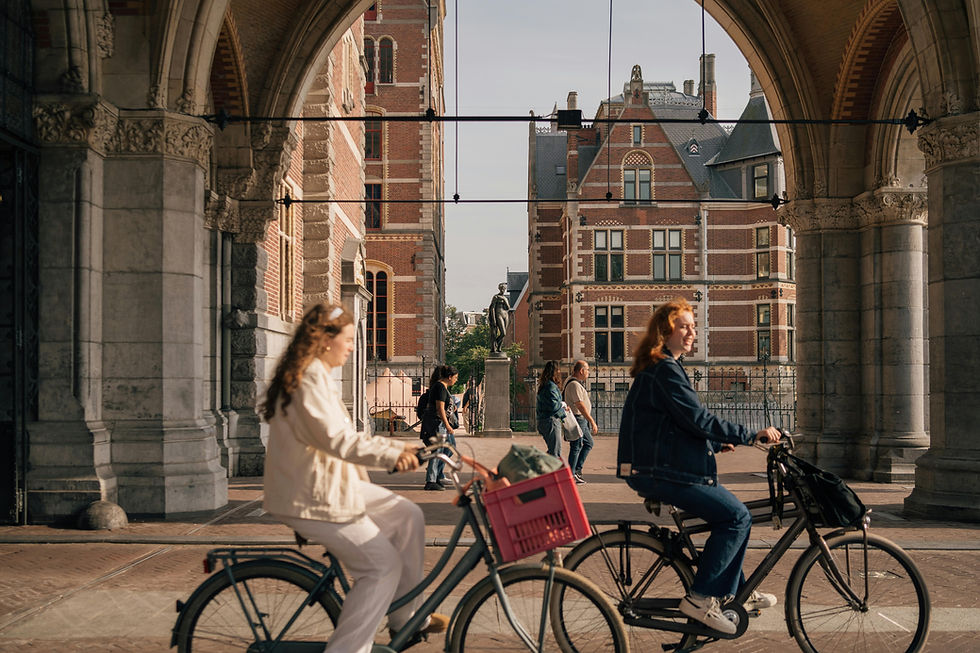
During your first week, take time to understand how you will get around. The Netherlands has a strong public transport system, but it can still take time to learn which train, tram, metro or bus you need. In addition, the Netherlands is also one of the most bicycle-friendly countries in the world, making cycling a popular choice for students.
For public transportation, you may use contactless payment options such as a debit or credit card to pay. However, many students may prefer to use OV Chipkaart/ OV Pay as it can be used to get NS subscriptions which may reduce your fare depending on your travel plans. Students planning to purchase an NS subscription should check the latest guidance, as the Dutch public transport payment system is currently transitioning from the OV-chipkaart to the OV-pas.
To navigate through, many use either 9292 or the NS app. They tend to be more accurate on when the train/bus is arriving and also show other helpful information like which platform, cost of the trip, and possible delays.
For cycling, some students purchase a bike from a shop or online, typically through Facebook marketplace or Marktplaats. However, while buying second-hand can save money, take care to purchase from a reputable seller and ensure the bike is not stolen. Increasingly students are renting their bikes, typically from Swapfiets.
Either way you choose to get your bike, try to follow cycling etiquettes and rules. Familiarise yourself with the cycle paths. The triangles (usually called haaientand or shark teeth) pointing towards you means give way to oncoming traffic. Use your hand to signal if you are turning or stopping . Doing so helps keep both you and others safe.
Prepare for daily life
Administrative steps matter, but settling in is not only about paperwork. It is also about learning how your new life works.
Find your nearest grocery store. Albert Heijn and Jumbo are the bigger, more expensive brands. Aldi and Lidl are cheaper but you might not find everything you want. Learn where to buy household items. Etos and Kruidvat are common around the country. Check when shops close in your area. Walk around your neighborhood during the day. Visit campus before your first class. These small steps can help a new place feel more familiar.
It is also normal if things feel confusing at first. Even simple tasks can take more energy when they happen in a new country.
Give yourself time to adjust
The first few weeks after moving abroad can feel intense. You may be excited, nervous, homesick, independent and overwhelmed all at once. That does not mean you made the wrong choice. It means you are adjusting.
Try not to pressure yourself to have everything figured out immediately. Focus on the essentials first: registration, BSN, DigiD, banking, insurance, healthcare and learning your way around. Once those basics are in place, it becomes easier to settle into student life.
Every student's journey is different, but they all begin with the same first steps. By taking care of these essentials early, you'll be in a much better position to enjoy everything the Netherlands has to offer. After all, moving abroad isn't just about arriving. It's about building a life, finding your place and taking your next step with confidence.


Comments