.png)
Things to Consider Before Studying in the Netherlands

Studying in the Netherlands has become increasingly popular among international students and for good reason.
With globally recognised universities, English-taught programmes, and an international learning environment, the Netherlands offers students a unique but approachable experience
However, studying abroad involves much more than simply choosing a university.
From understanding the Dutch education system to preparing for housing and relocation, there are many factors that can shape a student’s overall experience.
Here are some important things international students should consider before studying in the Netherlands.
Understanding the Dutch University System
One of the first things students often notice when researching universities in the Netherlands is that there are different types of higher education institutions.
The two main categories are WO (Research Universities) and HBO (Universities of Applied Sciences)
WO universities are generally more research-focused and theoretical, with a strong emphasis on academic analysis and independent learning.
HBO institutions are more practical and career-oriented, often incorporating internships, applied projects, and hands-on learning experiences.
While within the Dutch secondary school system, the academically better performing students tend to go to WO universities, neither is necessarily worse for your future career. WO degrees are typically recognised more globally and offer more opportunities for those seeking further education. HBO, through their strong focus on applied learning and industry collaboration, can offer strong pathways into the Dutch job market.
Understanding the difference early on can help students make more informed decisions about which direction may fit their goals best.
Looking Beyond Rankings
University rankings are often one of the first things students and families look at during the search process.
While rankings can provide useful information, they rarely reflect the full student experience. Two universities may have similar reputations but offer very different:
Teaching styles
Campus environments
Student support systems
Assessment methods
International communities
These differences contribute a lot to the connections and friends you will make and the relative success you might have studying in the new environment. A better fit to your learning style and personality will provide a more rewarding experience than simply choosing the highest ranked option.
Considering the City and Lifestyle
When students choose a university, they are also choosing a place to live for several years.
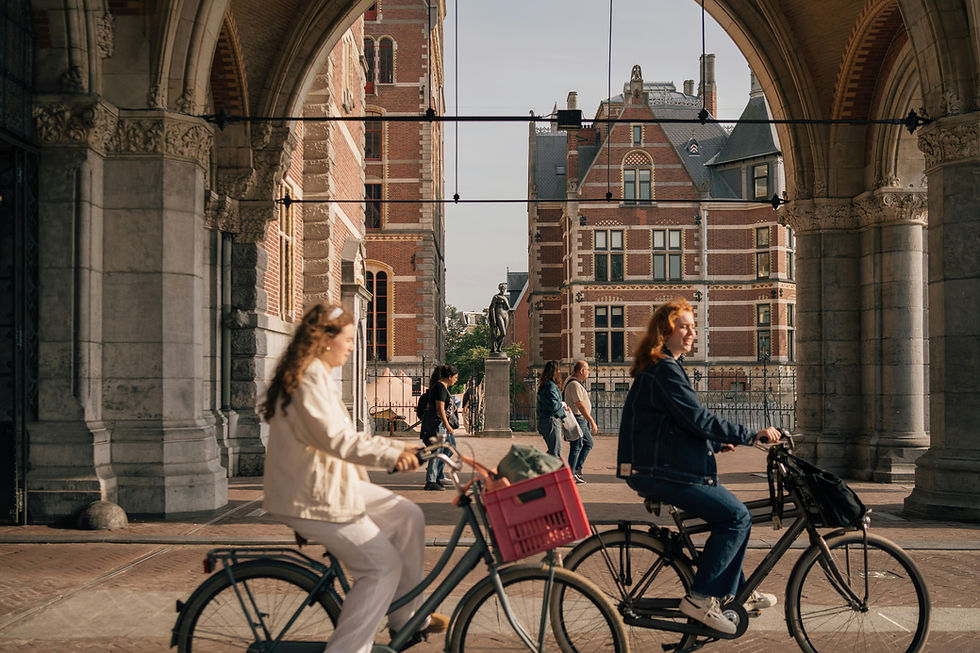
While Dutch cities may look similar at first glance, brick buildings with winding narrow european roads and maybe a canal or few, each one has its own unique vibe. Amsterdam is the famous canal filled city with a faster paced and more international environment. Groningen and Maastricht are two university towns each with its own distinct charm with thriving student communities. It is worth considering which city type you might thrive in.
Consider if you would like a vibrant nightlife, international community or a relaxed pace of life. These factors can significantly influence a student’s comfort, wellbeing, and overall university experience.
Understanding Application Requirements and Timelines
Application processes in the Netherlands can vary depending on the university and programme.
Many courses require academic transcripts and proof of English proficiency to demonstrate that students have the background and language skills necessary to succeed in the program. Most often, STEM courses would require specific subject requirements such as statistics for psychology or physics for engineering. Additionally, certain courses operate under a Numerus Fixus system, where the number of available places is capped. Those courses typically include a subject matter assessment or other means as part of the selection process.
Students should also be aware of important deadlines, which may differ depending on nationality and programme type. Most application deadlines for the fall semester are in the spring. However, some numerus fixus courses may have a 15 January deadline. Researching the program you might like and having all the paperwork like academic transcripts ready can help ensure you apply on time with less stress.
Housing Challenges
Housing is one of the biggest challenges in the Netherlands. It affects everyone who wants to move here, especially international students. There have been reports of people delaying or cancelling their studies out simply due to inability to find a place to stay. There is limited room availability and housing can get quite expensive. Even worse, when a housing option does appear, it is usually taken within a few days and sometimes even hours. However, new rooms and accommodations are posted almost daily, with increasing frequency in August, so do not give up too early.
Students may choose from a variety of options such as university-affiliated accommodation, private student housing providers, private sector apartments or rooms. Regardless of the option chosen, it is best to begin the housing search as early as possible to maximize the chances of securing a place you like.
Additionally, students planning on living in the Netherlands should ensure they can register at their new address. Registration is required for administrative processes such as obtaining a residence permit and opening a bank account. Rental advertisements often state whether or not registration is possible.
While finding housing can be challenging, starting early and understanding the options available can make the transition to your new home smoother.
Preparing for Relocation and Independence
For many students, studying abroad may also be their first experience living independently.
For international students, it also involves learning and adapting to a new culture. Preparing emotionally and practically for this transition can be just as important as choosing the right university.
Students may find themselves having to learn and fail at tasks they have never needed to manage before. Some are academic, such as coordinating group projects while balancing competing deadlines. Others are part of “adulting” like budgeting and chores. However, some are unique to living in a new culture. International students additionally have to juggle the different accepted social behaviors like Dutch directness, biking to school and managing the bureaucracy of moving to a new country. At the same time, students experience homesickness where familiar routines and foods may be difficult to access. All the while the student's support network is often in a different timezone, unable to fully help or understand your current struggle.
While these challenges can feel daunting, they are an inevitable and worthwhile part of the study abroad journey. Learning to not just navigate but thrive independently in a new country and culture often helps develop resilience, confidence and adaptability; valuable life skills no classroom can teach.
Final Thoughts
Studying in the Netherlands can be an exciting and rewarding experience, offering students the opportunity to gain high-quality education while developing independence and a broader perspective of the world.
However, choosing what and where to study is more than just comparing rankings. Factors such as learning style, city environment and personal readiness all contribute to the student’s experience. There is no singular top university, but instead a best fit to their aspirations.
By taking the time to research options and prepare for the realities of student life abroad, students can approach this exciting new chapter with confidence.
Need help navigating your options?
At Your Next Step, we help students and families explore universities, compare cities, and find the study destination that best fits their goals and preferences.


Comments